St. Louis Children’s Hospital

FONT SIZEDecrease font-size Restore default font-sizes Increase font-size
Bookmark and Share
SLCH Prepares for H1N1 Influenza With Careful Planning, Community Education

Although the World Health Organization has identified the spread of the novel influenza A (H1N1) virus as a global pandemic, one fact remains: Most people contracting this new strain of flu will experience mild illness and—as with other types of flu—will not need medical attention.

There are, however, people at higher risk for developing more severe symptoms and complications, among them certain groups of children. St. Louis Children’s Hospital (SLCH) is striving to educate parents and community physicians regarding these groups and when children should be seen in the the emergency department.

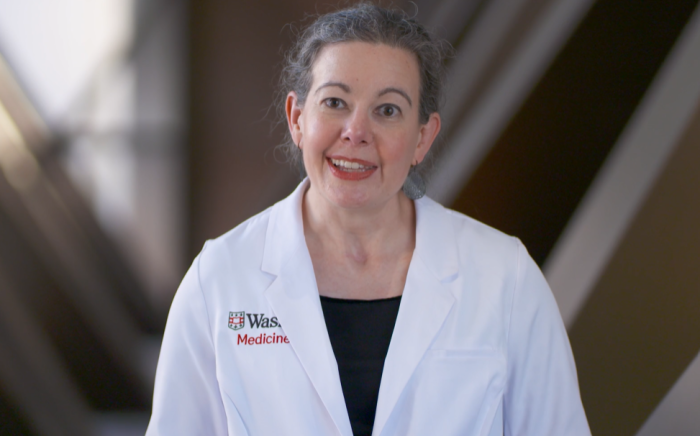
“For the most part, children with any type of flu are best managed by their pediatricians. Parents should always call their child’s doctor first before heading to the office or to the emergency department,” says Alexis Elward, MD, SLCH medical director, infection control. “Physicians who have a rapid influenza kit in their offices can test their patients. If they are positive for influenza, it’s probably H1N1 because that is what is circulating in the community at this time. Since treatment for H1N1 is the same as any other flu, this is the extent of testing that would be done in the emergency department.”

Patients at high risk for complications of H1N1 include:

  • Those under age 2
  • Immunosuppressed patients
  • Pregnant women
  • Patients with chronic medical conditions, including asthma, diabetes, sickle cell disease, kidney disease, and heart disease
  • Patients under age 19 years requiring long-term aspirin therapy

“Pediatricians should refer children to the Emergency Department if their patients have dehydration, respiratory distress, altered mental status or severe illness that may require hospitalizations,” says Dr. Elward. “Most patients will not be severely ill and may be managed at home with symptomatic treatment.”

Preparing for a pandemic

Dr. Elward notes that for any given year, about 20 percent of the population gets seasonal influenza. Of that number, the highest hospitalization rates usually are in people over age 65 and babies under 6 months old. With H1N1, however, it is younger children and younger adults who are getting sick because they have no pre-existing immunity to this new flu.

“It’s possible we will see anywhere from 20 percent to 50 percent of the population getting sick. So even if the proportion of people needing hospitalization is the same as seasonal flu, we will still have more absolute numbers of patients,” she explains. “At Children’s, we’ve been working for a number of years to ensure we are prepared to respond to all the contingencies that may result from a pandemic disease.”

Those contingencies are addressed by two separate plans that work in tandem when an infectious disease outbreak in the community occurs. The pandemic plan—a core policy followed by all hospitals within BJC HealthCare—provides minimum guidelines for addressing isolation issues, while SLCH’s own mass casualty plan outlines actions to take in the event of significant increases in patient volumes.

“Information about H1N1 from both federal and state agencies changes daily and even hourly. We are constantly reviewing and changing our isolation and masking requirements to conform to their recommendations,” says Debbie Mays, SLCH director, risk services, and director, emergency preparedness for BJC HealthCare. “Should masks be worn and by whom—employees, patients, visitors? What kinds of isolation requirements should be in place? Should visitation policies be modified? We evaluate these and other factors constantly.”

Processes also are in place to address such issues as ensuring proper staffing levels are maintained during periods of high patient volumes. “We have in place plans to assist with child day care, elder care, even pet care. We’ve instituted a number of priority agreements with key vendors to ensure we have enough medication, supplies and food on hand,” says Mays. “We also identify ‘surge’ areas in the hospital, which helps minimize the number of people in the emergency room and helps children and their families be seen faster and go home more quickly.”

In response to increased patient volumes in the ED, Children’s Hospital constructed two tents in the valet area on the second floor of the visitor parking garage. The tents are being used to treat ED overflow patients with low-acuity symptoms. All patients visiting the ED are still triaged at the existing ED triage desk. From there, those children transferring to the overflow area are escorted with their families, treated and discharged.

SLCH also has temporarily revised its visitor policy, allowing only guests 18 years and older to visit inpatient floors, the dialysis unit, same day surgery, ambulatory procedure center (APC), and pediatric acute wound service (PAWS). These restrictions do not apply to the outpatient laboratory, radiology, therapy services, psychology, EEG, the Heart Station, sleep lab or pulmonary function testing (PFT). These areas are more isolated within the hospital or have a reduced patient volume within the unit.

The ED also is temporarily operating under more restricted visitor guidelines, allowing only two adults with each patient in the emergency unit.

In addition to visitor restrictions, SLCH staff are recommended to wear a mask if they deliver direct patient care or if they are expected to be within 6 feet of a patient for 10 or more minutes.

In order to ensure proper evaluation of H1N1information and to efficiently coordinate meeting the demands of higher patient volumes, over the past few months SLCH has periodically initiated its hospital incident command system (HICS). Based on the federal system used by the military and fire and police departments, the HICS provides a hiarchy that defines a chain of command and scope of responsibility for those involved in order to prevent redundancies and misinformation. Peggy Gordin, RN, vice president, patient care services, and Rick Majzun, vice president, strategic operations and planning, are SLCH’s incident commanders. Susan Hibbits, OTR/L, director, neurosciences, serves as the operations section chief; Jennifer Orsinger, safety and telecommunications manager, is the planning section chief; Heidi Suppelsa, manager, media relations, is the public information officer; and Alexis Elward, MD, is the technical specialist. Representatives from the emergency department, pharmacy, materials management and administration help monitor the status of supplies and the hospital’s census.

“Basically our planning strategy can be described as constantly ‘leaning forward.’ For instance, if our current patient volume is 30 percent over normal, we begin planning the steps we’ll need to take should we reach 50 percent over capacity,” says Mays.

Preventing disease: vaccines, education are key

SLCH is working with the St. Louis city public health department so that once the H1N1 flu vaccine is available, the hospital will receive a sufficient supply of the vaccine to innoculate its patients. “A recent report from the Centers for Disease Control and Prevention indicated that 67 percent of the children who died from H1N1 had underlying medical conditions,” says Dr. Elward. “This means it’s imperative our patients with chronic illness receive both the H1N1 and seasonal flu vaccines. It is our plan to support community mass vaccination days as well.”

SLCH is displaying posters throughout the hospital urging families and friends with flu symptoms not to visit patients. The nursing staff is well-educated on ways to prevent the flu’s spread, including proper hand-hygiene methods they teach to patients and families. SLCH also has educational material available for both families and physicians on the home page of StLouisChildrens.org.

“This flu season may be a real challenge for community pediatricians, but there are some steps they can take to try and minimize the spread of flu. One is to designate separate areas of their waiting room for sick patients, another for those without symptoms. Having Kleenex and hand sanitizer readily available helps contain the spread as well,” says Dr. Elward. “They also may want to consider leaving phone messages for parents the day before their child’s appointment, asking parents to notify office staff immediately if their child has flu symptoms. The staff can then request that the parent place a surgical mask over the child’s nose and mouth.”

With the hospital’s pandemic and mass casualty plans in place—and already proving effective when needed—Dr. Elward concludes, “We are confident we are doing everything possible to ensure the standards and quality of care expected by Children’s Hospital’s patients and their families are upheld through the flu season ahead.”

For more information, contact Children’s Direct at 800.678.HELP (4357).

St. Louis Children's Hospital is affiliated with Washington University School of Medicine.

COPYRIGHT © 2010, ST. LOUIS CHILDREN'S HOSPITAL, ALL RIGHTS RESERVED

Directions | Contact Us | Site Map | Employment | Media | HIPAA | Terms of Use / Privacy

St. Louis Children's Hospital • One Children's Place • St. Louis, MO • 63110 • 314.454.6000