Learning your child needs a heart transplant can be overwhelming. It is reassuring to know experienced care from pediatric heart experts is available at the St. Louis Children’s Hospital Heart Center. Our highly skilled teams have decades of experience in providing compassionate care for children and their families.
St. Louis Children’s Hospital: Leaders in Pediatric Heart Transplants
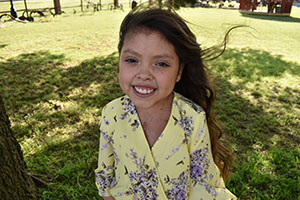
Established in 1986, the pediatric heart transplant program at St. Louis Children's Hospital has given new life to hundreds of young patients, from newborns to adults.
We offer:
- One of the largest and most active pediatric heart transplant programs in the United States
- Internationally renowned heart transplant surgeons and cardiologists
- Excellent heart transplant outcomes
- A destination for families from coast to coast seeking heart transplant expertise
- Comprehensive care and personalized coordination from our specially trained nurses
- First pediatric heart transplant program in the country to reach the milestone of 600 heart transplants
Our Approach to Heart Transplants
Our primary goal is to perform a successful heart transplant to gives a child a new heart to sustain them throughout their active, healthy lives. We are dedicated to addressing your concerns and partnering with you in your child’s care before, during, and after surgery.
Our approach for successful heart transplants includes:
- Engaging you and your family prior to your visit to emotionally prepare you on the next steps
- Collaborating with your referring doctor
- Assisting in coordination of travel and lodging needs during your visits
- Working closely with our multi-disciplinary team to prepare your child for a heart transplant
- Supporting you to keep your child in optimal health while waiting for surgery
- Creating an individualized, presurgical brief on your child’s case, which we review with our team of cardiac specialists
- Keeping you updated during the surgery, with pictures and texts
- Providing excellent care after surgery to rebuild your child’s health and strength
- Partnering with you and your child for the best post-transplant outcomes.
- Your child will be closely followed by our transplant team through routine visits and lab work.
- Preparing your child for transition to an adult transplant program by starting the readiness process in their early teen years to boost success for your child and family.
Read about a young girl's journey back home to Oklahoma with her new heart
Lifelong Partnerships for Health after Heart Transplant
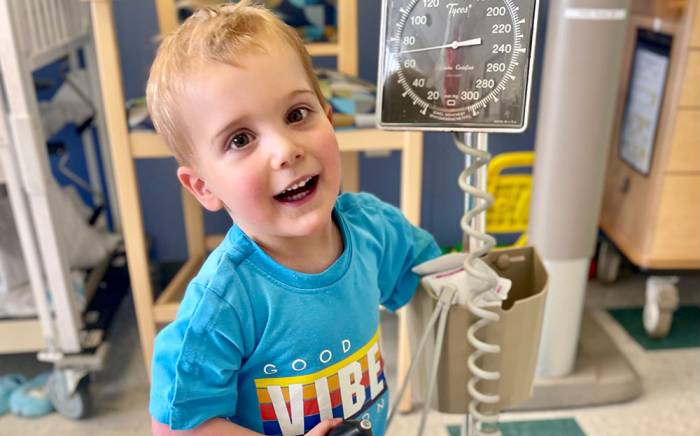
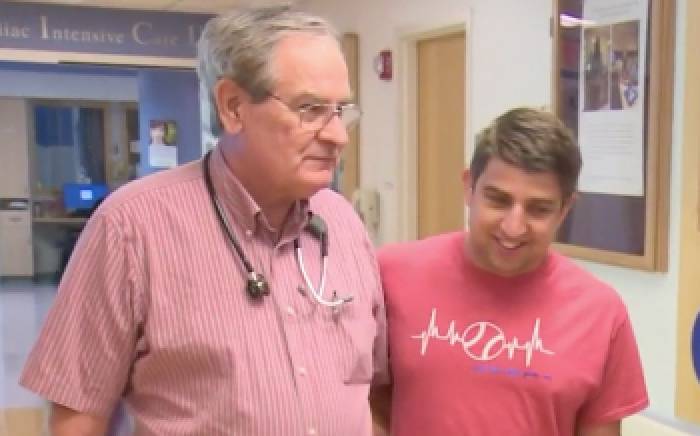
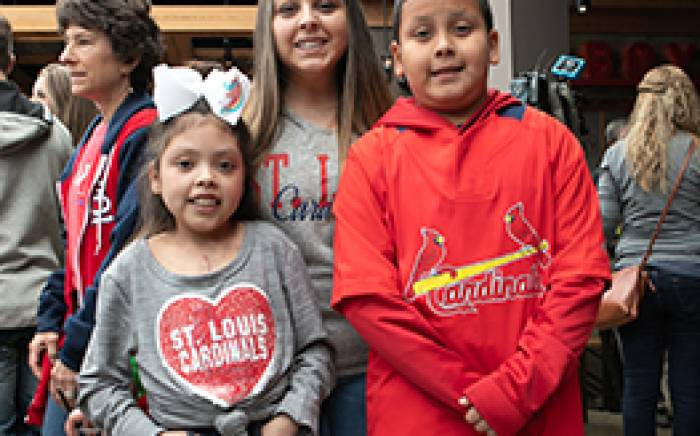
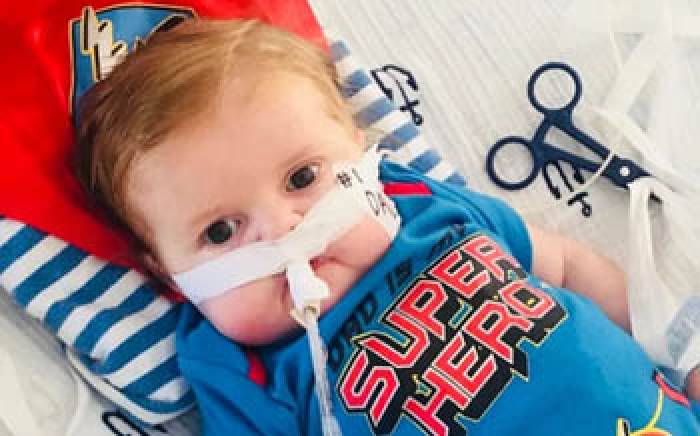
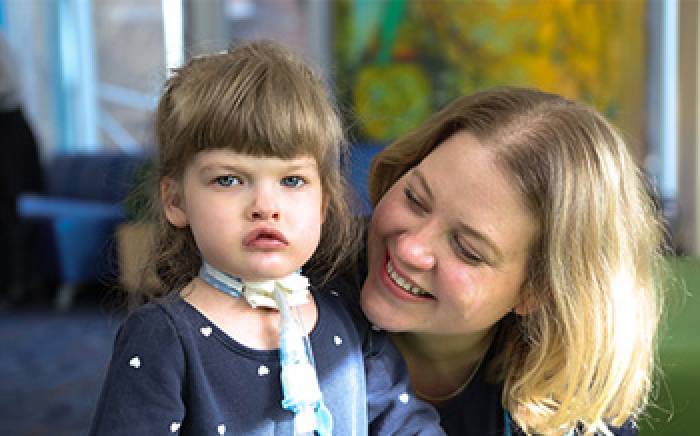
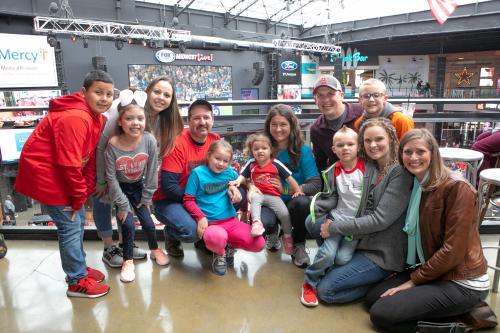 Most infants and older children we treat go on to enjoy childhood and lead full, active lives. They reach normal development levels for their ages, attend school, and participate in a variety of everyday activities. Meet our patients and watch our videos of recent success stories.
We build lifelong partnerships with our heart transplant patients and their families. We provide personalized follow-up care and support throughout your child’s life. Learn more about heart transplant in children, including what follow-up entails and what to expect from surgery.
Meet the Experts
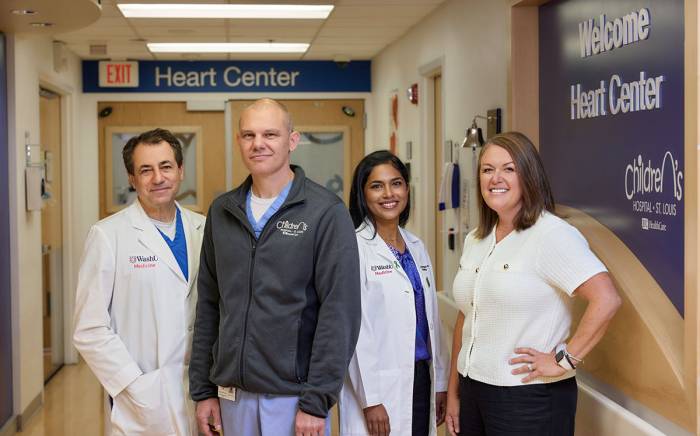
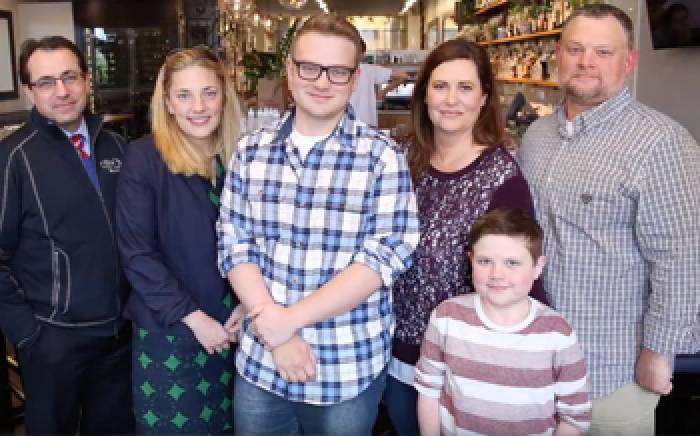
Our world-renowned pediatric heart transplant team has decades of expertise in caring for children who receive heart transplants. Just as important, our team knows the challenges you face when your child is critically ill – and we all specialize in compassionate care to help you through the care journey. Meet the team.
Related Programs & Services

We offer world-class care to children thanks in part to generous gifts from hundreds of people who have joined us in making health care better for all children. This philanthropic support enables us to fulfill our mission to do what's right for kids.