November 20, 2025, 10:14 a.m.
Terra Blatnik, MD
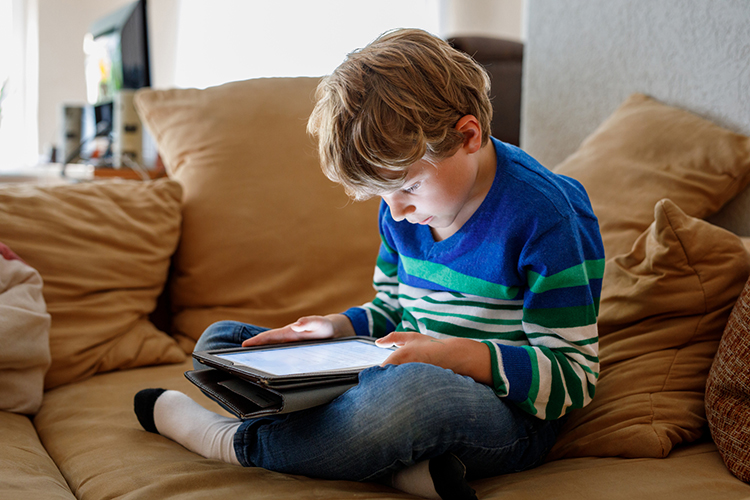
During the winter months, I see many young athletes spending more time indoors. School, gaming, and social media add up to hours of sitting each day. While screen time is a reality of life, the way kids sit and hold their devices can have a lasting impact on their posture and musculoskeletal health. Those changes don't just show up in the classroom. They also carry over to the field or court, raising the risk of sports injuries.
How screen time affects the body
When a child sits for long periods with their head bent forward and shoulders rounded, it alters how the spine and muscles work together. This posture, sometimes called "tech neck" or "text neck," can:
- Tighten chest and neck muscles
- Weaken back and core muscles
- Shift weight unevenly through the spine and hips
For growing bodies, this imbalance matters. Kids may start to complain about back, neck, or shoulder discomfort. Over time, these postural changes can lead to reduced flexibility and coordination, making sports movements less efficient and increasing the risk of injury.
Why athletes are at risk
Young athletes often move from long days of sitting straight to high-intensity practices or games. A tight chest combined with a weak core means joints like the knees, hips, and shoulders absorb more stress than they should. That can result in:
- Muscle strains in the back, hamstrings, or shoulders
- Overuse injuries such as tendonitis
- Growth plate irritation, which may cause lingering pain in knees, heels, or elbows
- Poor mechanics, including changes in running stride or throwing form, which increase the risk of repetitive injuries
I frequently see athletes with back pain, shoulder soreness, or hip stiffness where posture and core strength are contributing factors.
At-home routine to balance screen time
Parents and caregivers can encourage kids to use these quick, low-equipment exercises to reset posture after screen time:
- Chin tucks (5–10 repetitions): Sit or stand tall, gently pull the chin straight back, hold for three seconds, then relax. Strengthens neck muscles that counter "tech neck."
- Shoulder blade squeezes (10 repetitions): Sit or stand, squeeze shoulder blades together, hold for five seconds, then release. Improves posture and relieves rounded shoulders.
- Chest stretch (20–30 seconds): Stand in a doorway with arms at shoulder height, step through gently until a stretch is felt across the chest. Opens tight chest muscles.
- Bridge pose (10–12 repetitions): Lie on back with knees bent, lift hips to form a straight line from shoulders to knees, then lower slowly. Strengthens the core and glutes.
- Cat-cow stretch (5–10 cycles): On hands and knees, alternate arching the back up and letting the belly drop down. Improves spine mobility after sitting.
Encourage kids to complete this routine once or twice daily, especially after homework or gaming.
Red flags to watch for
Contact a pediatrician or sports medicine provider if your child:
- Has persistent pain in the back, neck, or shoulders
- Complains of numbness, tingling, or weakness
- Struggles to maintain proper form in sports due to discomfort
- Experiences pain that interferes with sleep or daily activity
Screen time doesn't just affect kids' eyes or attention spans. It influences posture, coordination, and even the risk of injury on the field. Short breaks, stretching, and strengthening can go a long way in keeping young athletes strong and resilient throughout every season.
When your child has a sprain, strain, jam, or minor fracture, visit one of two Orthopedic Injury Clinic locations for a same-day appointment. You’ll receive immediate care from orthopedic specialists, including on-site X-ray, splinting, and casting. We treat kids ages 5 and up.
 WashU Medicine physician Terra Blatnik, MD, specializes in Sports Medicine and Orthopedics at St. Louis Children's Hospital. She provides nonoperative care for musculoskeletal sports-related conditions in pediatric and adolescent patients ages 5 and above. These conditions include overuse injuries in children, apophysitis, sports-related concussions, female athlete triad, shoulder pain, elbow pain, wrist injuries, hip pain, knee injuries, ankle sprains, finger and toe injuries, stress fractures, simple fractures, clavicle fractures, and shin splints.