November 19, 2025, 4:56 p.m.
Jamie Kondis, MD
Jamie Kondis, MD, a WashU Medicine pediatrician at St. Louis Children's Hospital, understands the struggle parents go through when their kids refuse to dress for chilly weather and offers some helpful strategies.
As a pediatrician and a parent, I have had the same experience many parents share when their child insists on wearing shorts and a T-shirt without a jacket, even when it's freezing outside.
You're not alone if you've had this argument at the bus stop or on the way to school. Many kids, especially toddlers and teens, seem immune to the cold and refuse to bundle up, even when their parents are shivering. Whether it's a battle over wearing pants, a coat, or even just a hoodie, this common struggle leaves many parents wondering: Is it unsafe, or is it just a phase? The answer depends on several factors, including temperature, wind chill, activity level, and the duration of exposure to the cold.
Why do kids refuse to dress for the weather?
Kids have their own reasons for refusing to wear a jacket and insisting on shorts.
- They don't feel cold the same way adults do. Children tend to be more active, generating more body heat. Some truly don't notice the cold until they stop moving.
- It's a sensory preference. Some kids dislike the feeling of heavy coats or restrictive pants. For children with sensory sensitivities, certain fabrics or layers can feel uncomfortable.
- Independence and control. For toddlers and teens alike, choosing their clothes is a way to assert independence.
- Peer influence. Older kids may prioritize fashion over function, opting for what their friends are wearing rather than what's practical.
When is it OK for kids to wear shorts in cold weather?
While bundling up is important in extreme cold, there are times when it's reasonable to let kids wear what they prefer, as long as it's within safe limits. Here's when it's generally OK:
- If it's above 50°F: In mild cool weather, wearing shorts won't cause harm, especially if they're active. A light jacket may still be needed, but forcing pants isn't necessary.
- For short outdoor exposure: If they're running from the house to the car or are only outside for a few minutes, they won't be in the cold long enough to pose a risk.
- During high-energy activities: Kids playing sports, running, or engaging in other physical activities will generate body heat, making shorts more tolerable even in cooler temperatures.
- If they're comfortable and not showing signs of discomfort: Some kids genuinely don't feel the cold easily. If they aren't shivering, complaining, or showing signs of cold stress, it may not be a battle worth fighting. This will be more obvious with older children, so for younger kids, err on the side of caution and bundle them up. Children under 5 years old lose body heat more rapidly than older kids and will need more guidance on dressing warmly.
When should parents intervene and insist on warmer clothing?
There are times when parents need to step in and enforce cold-weather clothing, even if kids resist:
- When temperatures drop below 40°F: At this point, exposed skin can lose heat quickly, and wearing shorts can increase the risk of discomfort or mild hypothermia if they're outside for extended periods.
- If wind chill is a factor: Wind makes cold temperatures feel even chillier. If there's a strong wind, kids should wear layers to protect exposed skin.
- For long outdoor exposure: If they'll be outside for recess, a field trip, or walking home, they need proper layers to stay warm.
- When they show signs of being too cold: If they're shivering, complaining about being cold, or have cold, pale skin, it's time to bundle up. Again, the younger the child, the more likely they are to need warmer clothes.
How to encourage kids to dress for weather
If your child fights wearing a jacket or pants, try these strategies:
- Give choices within limits. Instead of forcing pants, offer a compromise, such as leggings or joggers. Let them pick between a hoodie and a jacket to give them some control.
- Layer up. If they refuse a jacket, encourage a sweatshirt over a T-shirt so they can adjust throughout the day.
- Lead by example. If they see you dressing appropriately for the weather, they may be more likely to do the same.
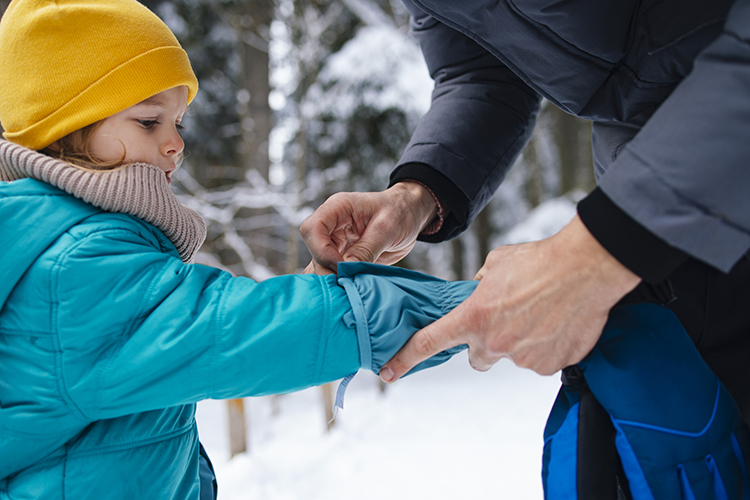
- Pack extra clothes. If they insist on wearing shorts, put a pair of sweatpants in their backpack for when they realize they're cold. Some schools require students to wear jackets, hats, and gloves during recess on cold days, so be sure to pack these items for your child, just in case.
- Explain the reasoning. Sometimes, kids just need a reminder that their bodies lose heat faster than they think, and that dressing properly helps them feel better in the long run.
Allowing kids to make choices about what they wear helps build independence, but as parents, it's essential to step in when safety is a concern. The key is to strike a balance between giving kids autonomy and ensuring they stay safe and comfortable.
If you have concerns about how the cold affects your child's health, reach out to their pediatrician for guidance.
In case of a medical emergency with a child, determine where the nearest accredited, Level I pediatric trauma center is located. Find the St. Louis Children’s Hospital pediatric Emergency Department location nearest you.
 Jamie Kondis, MD, specializes in pediatric emergency medicine and child abuse pediatrics. She graduated from Westminster College in Fulton, Missouri, and received her medical degree from Indiana University School of Medicine. She completed her WashU Medicine pediatric residency at St. Louis Children's Hospital and served for a year as chief resident.