October 22, 2025, 2:52 p.m.
Terra Blatnik, MD
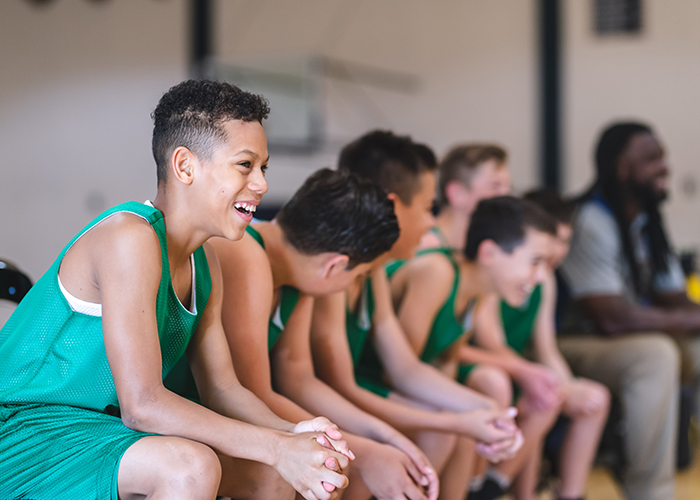
Many patients I see are young athletes going through growth spurts. Parents bring them in for knee pain, heel pain, stiffness, or the sense that something isn't right during a practice or a game. These concerns are common and often tied to the natural changes that occur as children grow.
Growth spurts are a normal part of childhood and adolescence, but they can bring aches, pains, and changes that impact how kids participate in sports. During these times, bones grow more quickly than muscles and tendons can adapt. That mismatch can leave young athletes sore, stiff, off balance, and more likely to be injured.
Common issues during growth spurts
Parents often notice new or recurring pain in active kids, even when there hasn't been a specific injury. Two of the most frequent growth-related conditions are:
- Osgood-Schlatter disease: This causes pain and swelling just below the kneecap, where the tendon attaches to the shinbone. It's common in children who run, jump, or play sports like soccer, basketball, and track. Kids may complain of tenderness when kneeling, climbing stairs, or sprinting.
- Sever's disease: This is the most common cause of heel pain in growing children. It occurs from running, jumping, and pounding on the growing area in the heel bone. Kids often feel pain after running or jumping, especially in cleated shoes.
Other issues we see include muscle strains resulting from tightness, joint pain in the hips, knees, and ankles as alignment and mechanics shift, and general fatigue when coordination hasn't caught up with rapid growth. These conditions are usually temporary, but if ignored, they can sideline kids from sports for weeks or months.
Signs your child may need more rest
It can be difficult for young athletes to distinguish between normal soreness and a condition that requires attention. Parents and coaches should watch for:
- Pain that lingers after activity, or returns daily, rather than improving with rest.
- Limping, stiffness, or swelling that changes movement.
- Difficulty keeping up with teammates, even when trying their best.
- Fatigue or irritability that seems unusual.
- Loss of interest in sports, which may be a child's way of saying the pain is too much.
Catching these signs early allows you to adjust training schedules, add recovery time, and seek medical input if needed.
How to support kids at home
Parents and caregivers can make a big difference by encouraging balance between rest and activity. Rest days are important, since kids should never play through pain. Gentle stretching and light resistance exercises can help muscles keep pace with rapid bone growth, while a proper warm-up and cool-down should be part of every practice or game. Nutritious meals and plenty of fluids provide kids with the energy they need to grow and stay active. Just as important, it helps to check in regularly, since many kids won't mention pain unless they are asked directly.
When to call your doctor
Some soreness during a growth spurt is normal, but pain that lingers, interferes with daily activity, or causes limping should be evaluated by a pediatrician or sports medicine provider. Seeking care early can prevent minor issues from developing into long-term problems that may take kids out of their activities.
Growth spurts eventually pass, but the routines kids build during this stage matter. Learning to balance practice with rest, speaking up when something hurts, and caring for their growing bodies will support them not only during childhood sports but also in their long-term health and strength.
When your child has a sprain, strain, jam, or minor fracture, visit our Orthopedic Injury Clinic locations for a same-day appointment. You’ll receive immediate care from orthopedic specialists, including on-site X-rays, splinting, and casting. We treat kids ages 5 and up.
 WashU Medicine physician Terra Blatnik, MD, specializes in Sports Medicine and Orthopedics at St. Louis Children's Hospital. She provides nonoperative care for musculoskeletal sports-related conditions in pediatric and adolescent patients ages five and above. These conditions include overuse injuries in children, apophysitis, sports-related concussions, female athlete triad, shoulder pain, elbow pain, wrist injuries, hip pain, knee injuries, ankle sprains, finger and toe injuries, stress fractures, simple fractures, clavicle fractures, and shin splints.