July 10, 2026, 3:45 p.m.
Mini Tandon, DO
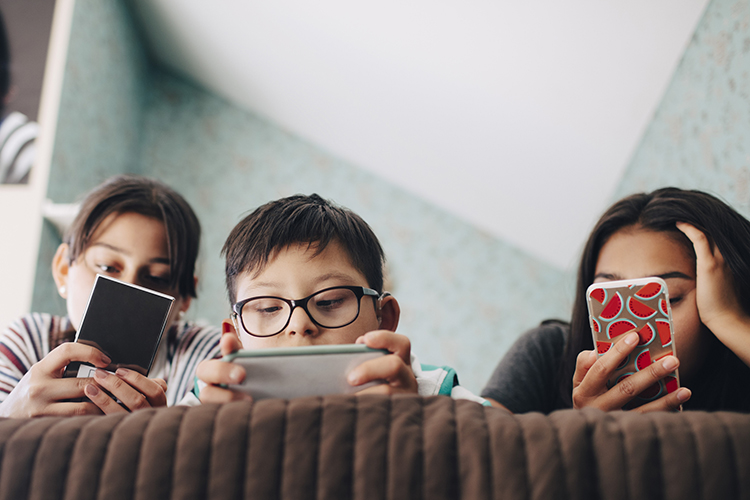
More parents are noticing a new kind of struggle. Their children have plenty of online connections, yet they hesitate to spend time with their real peers. A simple playdate or a trip to the park can bring on worry or a firm refusal.
Kids today are growing up with digital companions and highly controlled gaming worlds. Everything in those spaces is designed to be smooth. If a game becomes frustrating, they switch it off. If a character responds in a way they do not like, they reset the interaction. Nothing pushes back. Real people do not work that way.
The messiness of human connection
Face‑to‑face friendship comes with unpredictability. Other kids have their own ideas, moods, and limits. They may want to play something different. They may get frustrated. They may say something that lands the wrong way. These moments are a normal part of childhood, but they can feel overwhelming to a child who spends most of their time in environments where everything bends to their preferences.
Without regular practice, even small disagreements can feel like major problems. A friend who gets bossy or decides to go home early can cause a level of distress that does not match the situation. The child is not being dramatic. Their social muscles are simply out of shape.
The pull of the perfect digital world
The concern is not the technology itself. It is the lack of practice in managing frustration. When a child can always turn to a device for a guaranteed win or a companion who never disagrees, the harder parts of real friendship start to feel avoidable. Over time, this can create a kind of social fragility. Kids begin choosing the ease of digital interaction because the real world feels too demanding.
Building social stamina at home
Social skills grow through repeated, low‑pressure experiences. Parents can help by creating opportunities for a child to practice the following:
- Allow boredom. Quiet moments without a device give kids space to imagine, initiate, and tolerate small frustrations.
- Pause before stepping in. When two children are negotiating a toy or a game, give them a moment to work it out. That discomfort is part of learning.
- Use side‑by‑side time. Activities like drawing, building, or reading in the same room help kids warm up to being together without the pressure of constant conversation.
The goal is not to remove digital life. It is to help kids feel more confident in the real world. Real friendships are sometimes messy, but they offer a connection that digital interactions cannot replace. Kids need practice with the bumps and pauses of human relationships so they can feel comfortable choosing real people over a more polished substitute.
 Mini Tandon, DO, is a child and adolescent psychiatrist specializing in mental health care for children and adolescents, with a focus on early intervention in young children. Dr. Tandon is a strong advocate for children’s mental health, actively engaging with community organizations and authoring a children’s book series designed to help young children feel comfortable visiting mental health specialists.