A life-saving device helps an 8-year-old's heart keep the beat
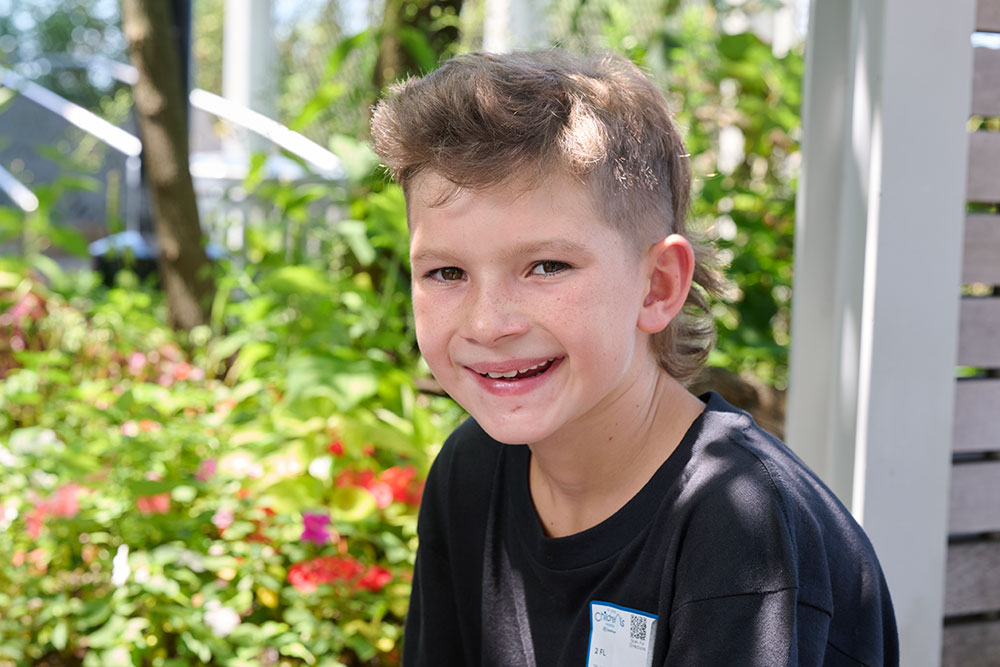
When their son Jesse was diagnosed at 3 months old with hypertrophic cardiomyopathy (HCM), Amanda and Ben knew there would be challenging times ahead. HCM is a debilitating heart condition in which the muscle of the heart becomes thicker than normal and obstructs blood flow to the rest of the body.
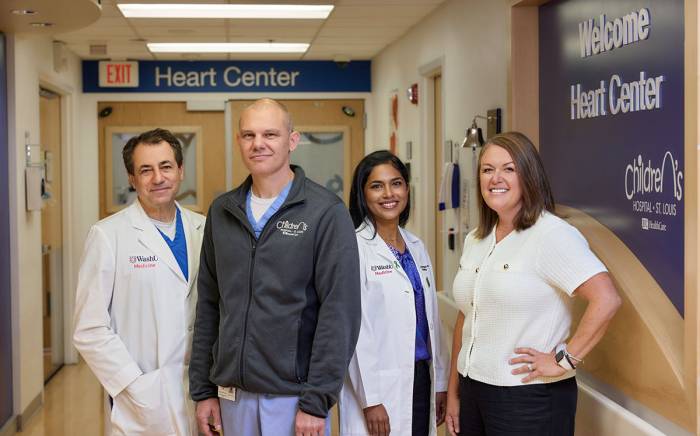
As Jesse grew, he loved playing baseball, riding his bike, and swimming, but at age 5, he began experiencing fainting spells. Children with HCM may have symptoms such as shortness of breath, dizziness, fainting, or chest pain, which tend to intensify with activity. After receiving care close to home, Jesse and his family, who live near Springfield, Missouri, were referred to WashU Medicine physicians at St. Louis Children's Hospital. There, they met with WashU Medicine pediatric cardiologist Charles Canter, MD, and WashU Medicine pediatric electrophysiologist Anthony Pompa, MD, to discuss a new surgical treatment option.
“Much of what we do at St. Louis Children's Hospital is driven by the desire to help kids get back to being kids,” says Dr. Pompa. “We are fortunate to work in an environment that fosters innovation, and we take seriously the trust that these families put in our team.”
Dr. Pompa suggested Jesse receive an implantable cardioverter-defibrillator (ICD), a device that monitors the heart and can treat dangerous rhythms in real time to prevent a cardiac arrest. For a patient Jesse’s size, this would traditionally require attempting to fit an adult-sized device through his small blood vessels or putting him through a much more invasive operation. Dr. Pompa was able to offer a new type of device that does not need to go through Jesse’s blood vessels and could provide all the same benefits as other ICDs with less downtime. Additionally, the new device has Bluetooth® capabilities that allow Jesse’s parents to receive updates on his heart’s activity.
A key feature for Amanda and Ben was the less-invasive nature of the surgery. Instead of making an incision the whole way down the center of his chest, Dr. Pompa would be able to operate through two smaller incisions. Jesse would only have to be in the hospital for one night, rather than the typical one-week stay, and could return to his activities much more quickly.
If his parents chose to move forward with the innovative procedure, Jesse, at age 8, would be the youngest patient in Missouri and the first pediatric patient in St. Louis to receive this device.
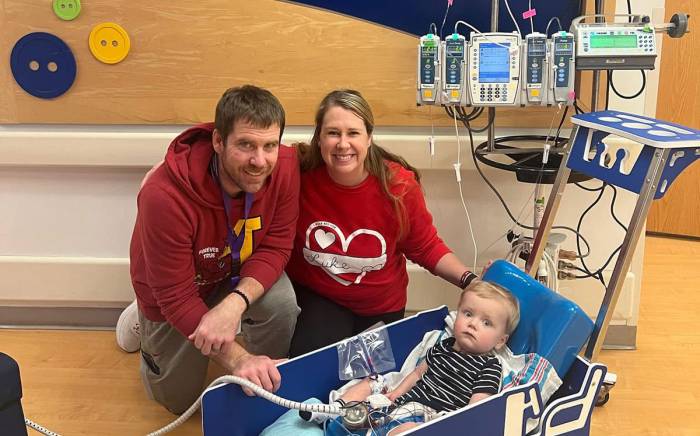
“You want the best for your child, but it was scary to think that this procedure had only been done on a thousand people before Jesse,” Amanda says. “But I felt confident in WashU Medicine and St. Louis Children's. Their knowledge of his heart disease and how proactive they are meant the world to us.”
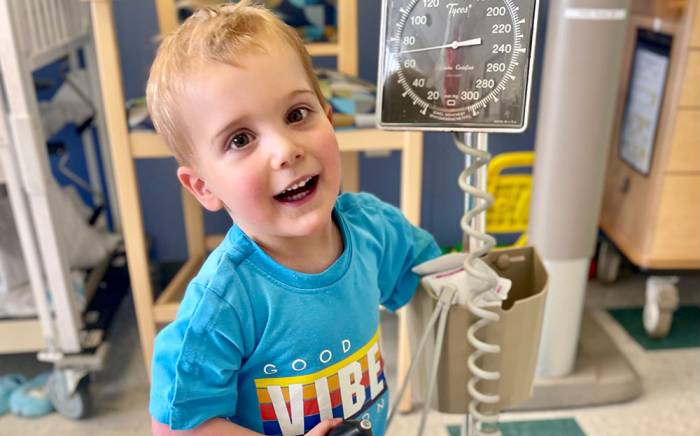
Surgery was set for Feb. 28 and was a success. Six weeks later, Jesse returned to playing shortstop on his baseball team and jumping off diving boards.
“The ICD doesn't fix the thickness of his heart, but it is a backup, and it gives us peace of mind,” Amanda says. “If we’re not with him, and if something were to happen, it could save his life.”
“It is an honor to be able to offer innovative therapies to Jesse and so many other families throughout the region so they can have the peace of mind to do the things they love,” says Dr. Pompa.”
Learn more about the Heart Center here.