April 1, 2026, 12:55 p.m.
The Hospitalist Team
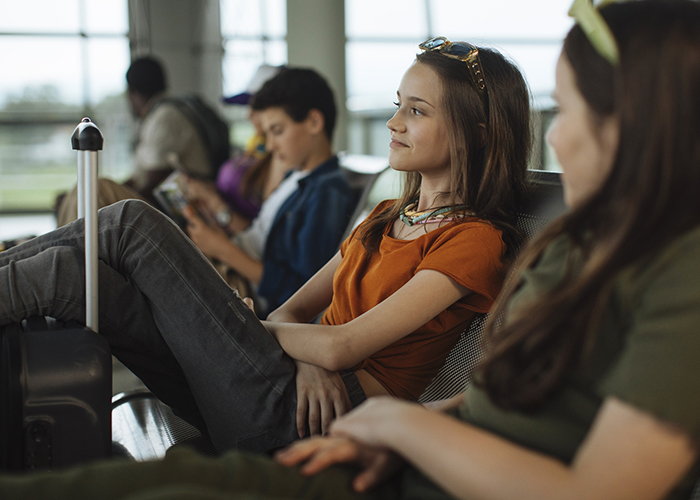
Spring break is often the first time kids travel without their parents. It might be a weekend with a friend’s family, a school trip, or a few days away with a team. For parents, it brings a mixture of pride and the quiet worry that comes with letting someone else be in charge.
Growing up means taking steps toward independence, and some planning ahead can make the experience easier for everyone.
Setting expectations
Before your child leaves, talk through expectations in a relaxed, natural way. Kids usually absorb information better when they hear what you hope they’ll do, rather than just what they shouldn’t do. A conversation while packing, cooking, or running errands often works better than a formal sit-down.
Health and safety
Being away from home means kids may face situations they haven’t handled on their own before. A brief review in advance gives them the context needed if an unexpected scenario develops.
It helps when kids understand:
- How and when to take any daily medications, including dosages, and whether they should be taken with food or at specific times
- When to tell an adult they don’t feel well
- How to speak up about allergies or medical needs
- They don’t have to push through painful symptoms
- How to keep their phone charged during long days, including carrying a backup cord or a small battery pack
- What to do if they can text but can’t talk, including who to message and what to say
- A family code word they can use to signal they need help or want to leave a situation
Planning for emergencies and the unexpected
If something feels off, kids should know who to contact right away. That usually includes more than a parent. Having a coach, group leader, or host adult saved in their phone ahead of time helps avoid scrambling.
If they’re traveling to somewhere new, review where they’ll be staying and how they can get around. Discussing and setting up location sharing before they go can provide an extra layer of awareness if plans change or communication breaks down. Small steps like this can give both parents and kids peace of mind and make it easier to stay connected.
Sending them with a few basic tools can also help. A small first-aid kit, a copy of their health insurance card, and any medical information another adult might need are useful. Some parents include a signed medical consent letter, especially when a child is traveling out of state, in case a parent can’t be reached, and treatment decisions need to be made. Kids don’t usually think about packing these things, but they matter if an unpredictable situation arises.
The goal isn’t to make your child nervous. It’s to let them know they’re supported. Setting expectations, having safety conversations, and reassuring them that reaching out is always OK can go a long way.