What is spinal anesthesia?
Spinal anesthesia is an alternative to general anesthesia for certain surgeries. Before going to the operating room, an area of your child’s back will be numbed with cream. Next, anesthesia medicine is injected with a small needle, below the spinal cord, by a member of the pediatric anesthesiology team with special qualifications to perform spinal anesthesia. This allows the medical team to perform surgery without anesthesia gas or an airway device. Spinal anesthesia for children is only available at specialized pediatric centers. Pediatric patients may be eligible for spinal anesthesia, depending on their age, health, and the surgery they need.
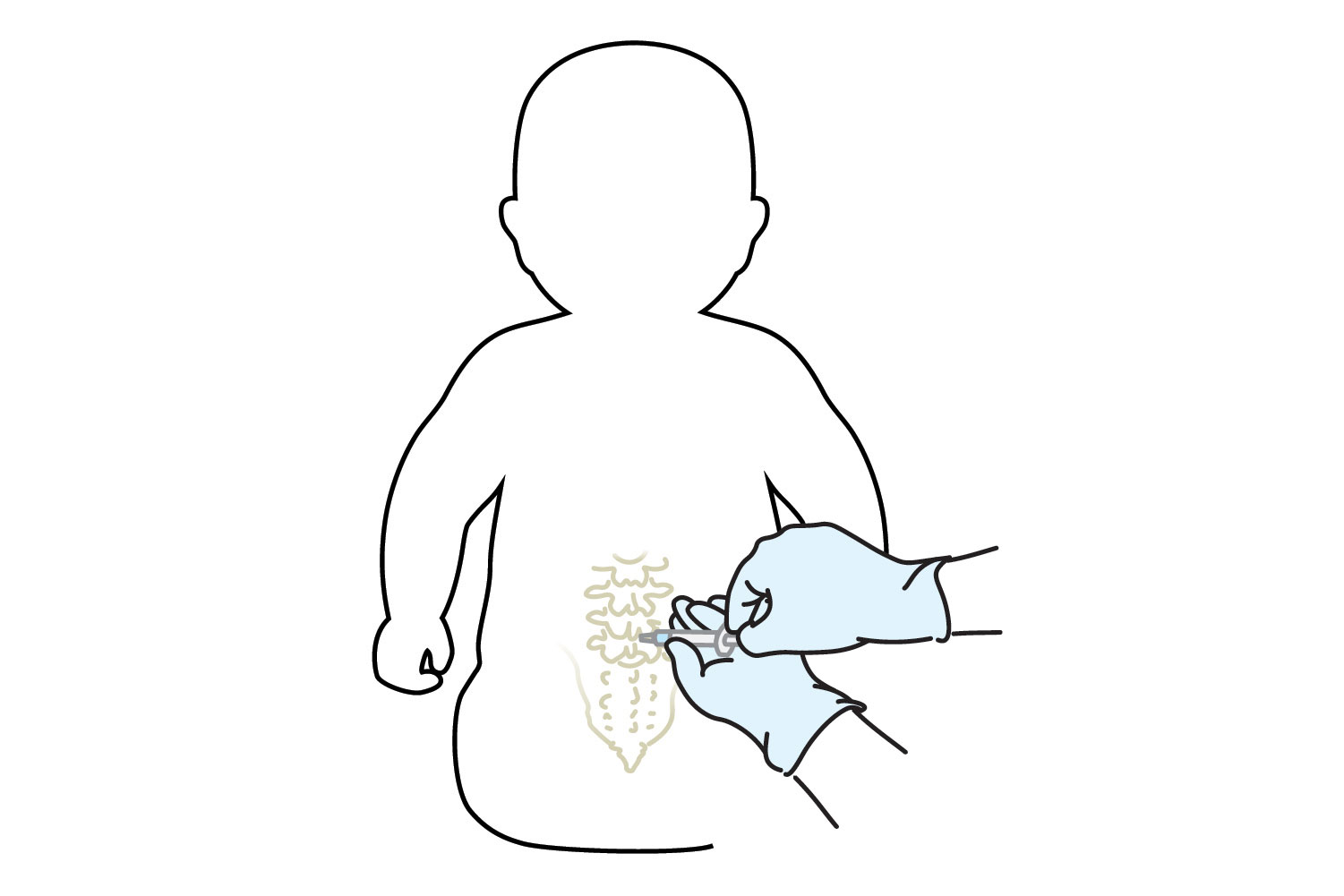
What will my child feel?
Most children fall asleep after they receive the medication. Additional medications or comfort measures are available if needed. These include music, warm blankets, sugar water, or play during the procedure. All children are monitored closely by an anesthesia provider after receiving spinal anesthesia. Spinal anesthesia helps your child stay comfortable throughout their surgery.
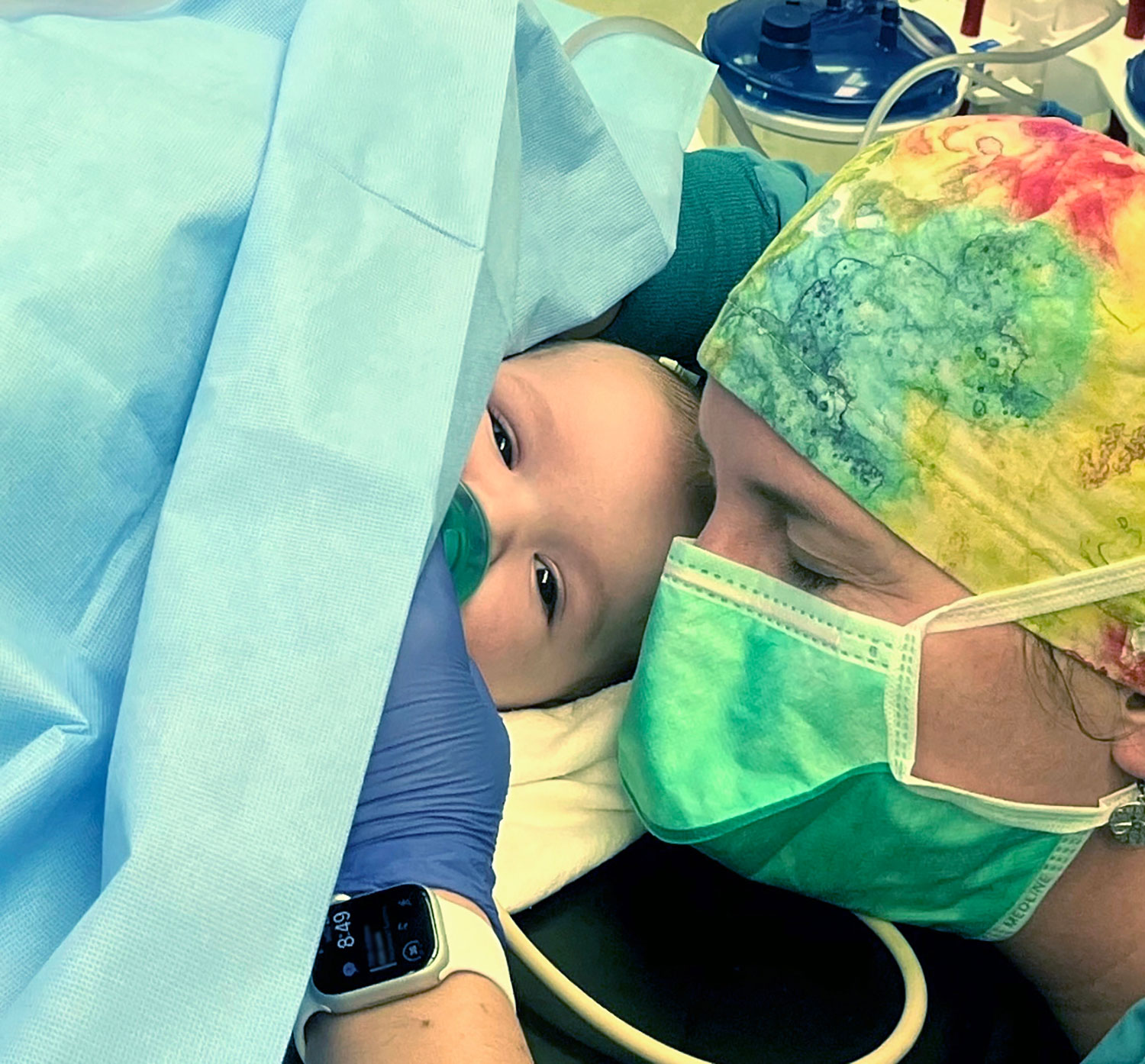
Should I choose spinal anesthesia for my child?
Spinal anesthesia has many benefits. It can help:
- Avoid using a breathing device and machine.
- Avoid exposure to anesthesia gases.
- Keep heart rate, blood pressure, and oxygen levels stable.
- Decrease the amount of pain medication needed.
- Allow your child to spend less time in the recovery room and start eating sooner.
You will be able to talk to your pediatric anesthesiologist on the day of surgery to determine the best option for your child.
What are the side effects of spinal anesthesia?
Complications from spinal anesthesia are uncommon. Below is a table of side effects and how often they occur.
| Side Effect | How Common |
|---|---|
| Unsuccessful Placement (general anesthesia needed) | 5–15% |
| Infection | Rare (Less than 1 in 1,000) |
| Headache | Rare (Less than 1 in 1,000) |
| Nerve Injury | Extremely rare (Less than 1 in 10,000) |
| Bleeding | Extremely rare (Less than 1 in 10,000) |
How do I care for my child after the procedure?
The numbness from spinal anesthesia will last a few hours. Foot and leg movement is a sign that the effects are wearing off. Pain control will continue after movement returns. Follow any instructions given by your surgeon. Typically, your child can sit, crawl, or walk as usual.
If you have any questions, please call 314-454-6000 and ask for the Pediatric Anesthesiology Pain Management Service.