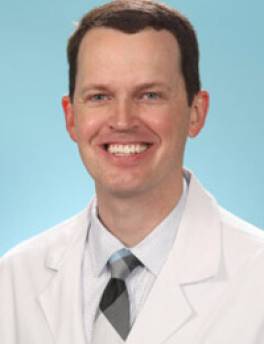
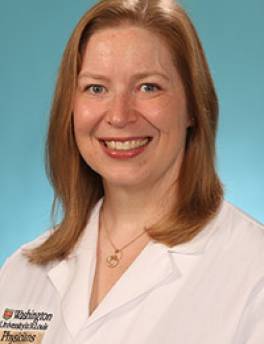
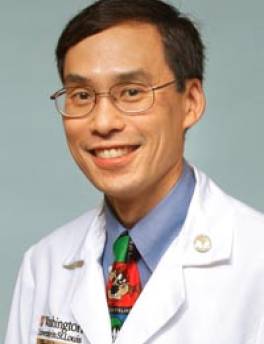
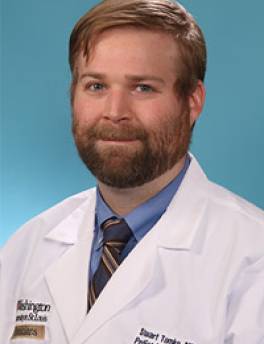
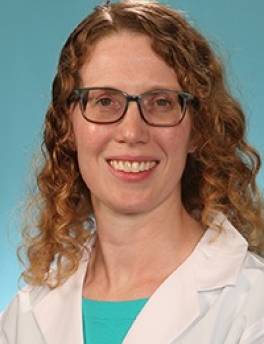
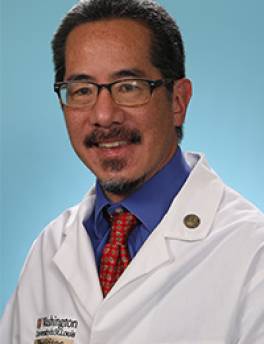
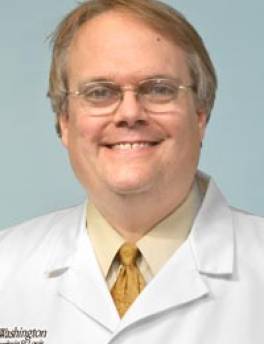
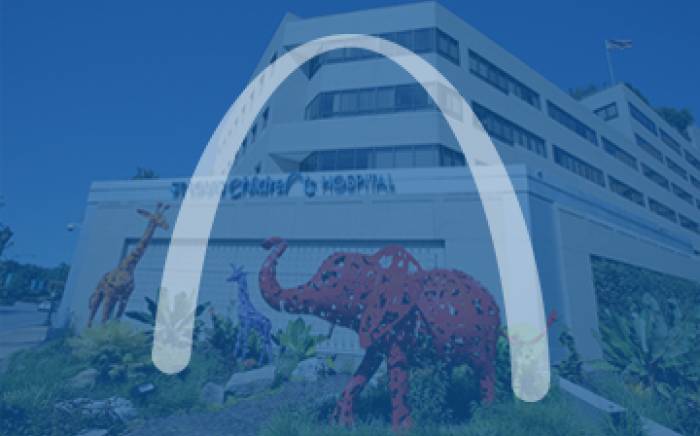
At the Washington University Pediatric Epilepsy Center at St. Louis Children’s Hospital, an extensive team of epilepsy specialists consult on your child’s care. Multiple epilepsy doctors, with different areas of expertise, meet with each other—and with you—to ensure the highest level of care for every child.
Multidisciplinary pediatric epilepsy care
Multidisciplinary care means multiple experts join forces to ensure they consider every way epilepsy could affect your child—today and in the future. This collaboration leads to treatment recommendations and support customized to your child’s needs.
Our epilepsy doctors
At St. Louis Children’s Hospital, you have access to one of the largest teams of pediatric epilepsy specialists in the country. Our physician team offers expertise in:
- Pediatric epileptology: Our team has 13 pediatric epileptologists. These epilepsy doctors are pediatric neurologists who have completed additional training in how epilepsy affects infants and children.
- Neurosurgery: Our neurosurgeons are trained to perform the latest types of epilepsy surgeries, using both traditional and minimally invasive techniques. Find out more about epilepsy treatment options.
- Neuropsychology: Neuropsychologists receive training in general psychology and neuropsychology. They help manage ways that epilepsy may affect how a child thinks or acts.
- Genetics: Our geneticists help facilitate specialized tests that look for changes in genes that may point to a genetic cause of epilepsy.
Our support professionals
Our team also includes other professionals who provide specialized knowledge and support to families and children throughout the care process. At some point during your care, you may encounter:
- Nurse navigators coordinate testing and appointments, streamlining the care process for families.
- Social workers help families overcome transportation or financial obstacles, or other challenges, which may make it more difficult to receive care.
- Dietitians specialize in nutritional therapies for epilepsy, such as the ketogenic diet, and serve as a resource to families making significant lifestyle changes.
- Nursing professionals, including nurses and nurse practitioners, trained in the unique needs of children with epilepsy. They support families in countless ways throughout diagnosis and treatment.
- Electroencephalogram (EEG) technologists are trained medical professionals that administer EEG tests. An EEG uses electrodes attached to your child’s head to measure and record electrical activity in the brain.
Epilepsy center team
-
Mary Bertrand, MD
- Epilepsy-Pediatric
- Neurology-Pediatric
-
Rejean Guerriero, DO
- Neurology-Pediatric
- Neurology
-
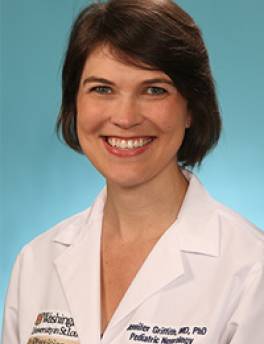
Jennifer Griffith, MD, PhD
- Neurology-Pediatric
- Epilepsy-Pediatric
-
Sean McEvoy, MD
- Neurosurgery-Pediatric
-
Jarod Roland, MD
- Neurosurgery-Pediatric
-
Robin Ryther, MD, PhD
- Neurology-Pediatric
- Epilepsy-Pediatric
-
Kwee Liu Lin Thio, MD
- Neurology-Pediatric
- Epilepsy-Pediatric
-
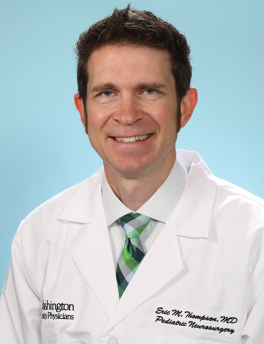
Eric Thompson, MD
- Neurosurgery-Pediatric
-
Stuart Tomko, MD
- Epilepsy-Pediatric
- Neurology-Pediatric
-
Judith Weisenberg, MD
- Neurology-Pediatric
- Epilepsy-Pediatric
- Epilepsy
- Neurophysiology
-
Michael Wong, MD, PhD
- Neurology-Pediatric
- Epilepsy-Pediatric
- Neurophysiology
-
John Zempel, MD, PhD
- Neurology-Pediatric
- Neurophysiology
- Pediatrics
-
Lisa Harker, PsyD
- Psychology-Pediatric
- Neuropsychology-Pediatric
-
Michael Morrissey, PhD
- Clinical Neurophysiologist
-
Janette Coble, MS, BSN, RN, CNRN
-
Tracy Connell, MSN, APRN, CPNP
-
Sara Graves, BSN, RN
-
Giovanni Outlaw, RN
-
Emily Rhodes, MSN, APRN, CPNP
-
Melanie Fitzgerald, REEGT
- EEG and Long-term Monitoring Technologist
-
Angela Johnson
- EEG Technologist
-
Rebekah Landre, MS
-
Morgan Mueller, RD